
my dog sneezes a lot and has a runny nose, my dog sneezes a lot and don't want to eat, my dog sneezes blood... these are some of the queries typical that we have to meet at the vet, that's why today we will try to put light on many of your most common questions.
Sneezing in dogs have many causes. The majority is associated with social behaviors, or characteristics of each breed. However, there are also pathological causes that you need to know to find veterinary care early if necessary.
Why does my dog sneeze?
Dogs sneezing as part of the communication with other animals or by nasal problems or dental. To identify the cause it is important to verify the frequency of sneezing and if there are other symptoms.
Veterinary care is essential to rule out diseases and treat them on time. However, sometimes sneezing are completely harmless. Here at veterianrio online we will show you how to differentiate sneezing isolated from other diseases or infections that require medical attention. These are the possible reasons:

Sneezing game
Sneezing in dogs as they play, usually indicate that what they do is with the intention of playing and not fighting. Because sometimes their games are a bit rough this must be clear so that other dogs don't misunderstand.
The sneezing of the game is different than other types of sneezing that is timely. Only be presented in moments playful with you or with any dog. There are frequent after the end of play or are accompanied by secretions.
Distemper
Distemper is a viral disease caused by the Canine Distemper Virus, or (QOL). One of the symptoms of the disease is the production of nasal mucus, clear or purulent. These sneezing in dogs are very continuous and is due to the airway can be obstructed by mucus.
In this case, the sneezing accompanied by other symptoms such as a cough, runny nose visible, weakness, and fever. There may also be other symptoms of eye and respiratory. The symptoms may progress to cause permanent damage to the nervous system.
Distemper is prevented with vaccination. In dogs that have not been vaccinated it is essential to get veterinary care in the early stages to avoid permanent sequelae and death.
Object strange
There are objects that can be accommodated in the nasal passages and cause sneezing in dogs, for example: herbs or sticks. It could also be that you simply were dust or pollen. It is particularly common in hunting dogs, in dogs that have been probed in the undergrowth or in dogs snout long.
This type of sneezing in dogs differs from others in that the dog won't stop sneezing until the foreign object is gone. It may also happen that the dog bring the legs to the muzzle, trying to be cleaned.
In most cases, sneezing resolve the problem. However, there are cases in which the sneezing make an object move and cause bleeding. This is a sign of alarm and requires immediate veterinary attention.
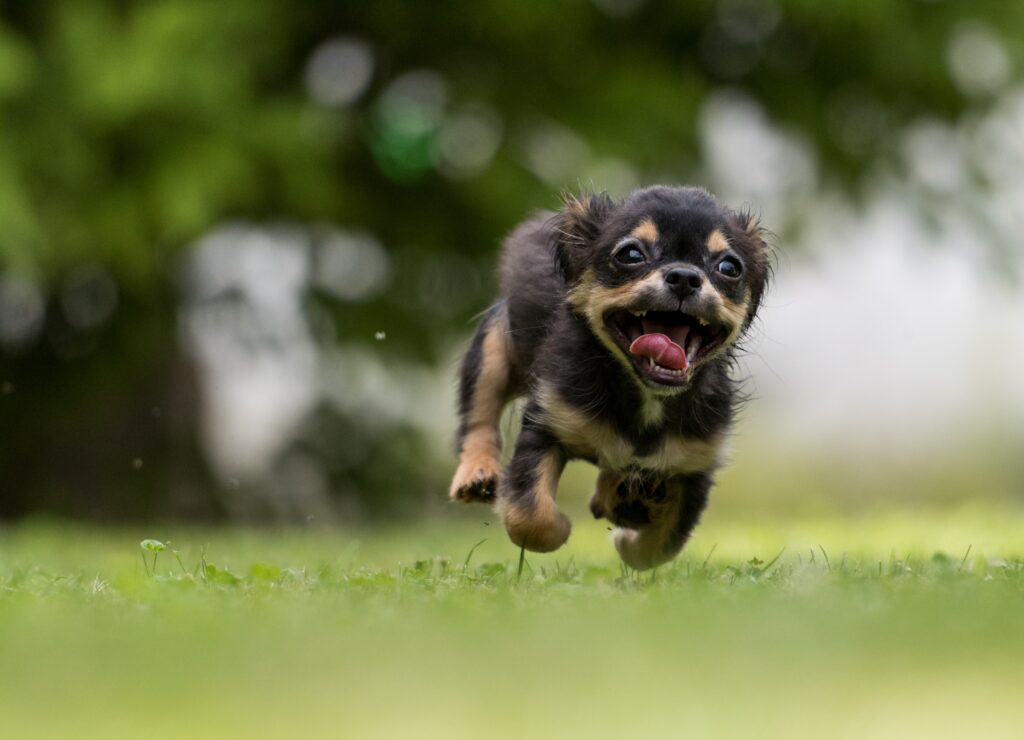
Sneezing in dogs by brachycephaly
The brachycephalic breeds, such as pug, French bulldog, pekinese and a boston terrier have the nostrils compressed. This makes them more prone to respiratory problems and, therefore, the sneezing.
The fact that sneeze is not always a sign of alarm, but stay tuned. Their respiratory problems may be aggravated or sign of health problems more complex. It is ideal to take them to the vet two times a year.
Dental infections
When the dogs are older or do not consume an adequate diet may present with dental problems such as tartar, gingivitis or tooth decay. Sometimes these problems become chronic and affect the airways. Therefore, a poor oral health can also lead to sneezing in dogs.
Especially the teeth careados close to the nose can lead to discomfort, resulting in sneezing and constant pain. If your dog has bad breath, bad teeth or gingivitis and sneezes should find veterinary care to address the problem.
Tumors
Tumors or neoplasms nasal conditions that are given more than all dogs from 8 to 10 years with noses long or medium (dogs dólico or mesocefálicos). Are presented in the nostrils or in the cranial cavity. The symptoms start with serous secretions or mucopurulentas and sneezing in dogs of all breeds.
Because the tumors are invasive and may obstruct completely the airways is important find veterinary care. After a biopsy, the veterinarian you can determine what will be the most effective therapy for the dog back to health.
Nasal infection
Other causes of sneezing in dogs is the Aspergillus infection or mites. It is given by inhalation of the fungus or the arachnids to through the dust, dirt, hay or grass. It is common to get the infection in the spring months due to the humidity of the environment.
The symptoms can be confused with other conditions such as distemper. It is therefore essential that the veterinarian to perform an examination of the nasal secretions of the dog. The nasal infections can cause sneezing, pain, bleeding from the nose and visible swelling.
Sneezing reverse
Sometimes, dogs produce sounds that can be confused with sneezing. This is the case of the sneezing reverse in dogs or breathing inspiratory paroxysmal. This sound is produced by a muscle spasm behind the mouth of the dogs braquiocefálicos.
During sneezing reverse the dogs to stay very still, with the neck stretched and the mouth closed. The muscle spasm causes your trachea, or windpipe, is narrow, and this position helps them to enter the air more easily.
If, after an apparent sneezing reverse the dog you have breathing difficulty, cough, dry and rough, bluish discoloration of the tissues, or fainting, you should seek immediate veterinary attention. Collapsing trachea can be confused with sneezing inverse, but the symptoms listed above are for guidance only.
flu in dogs home treatment
Sneezing in dogs, as we have previously mentioned, may be due to many causes, but it is possible that your dog alone is cold. If you want to use a method landlord before hire your consultation online, I advise you to give a lot of warm water as you will need that liquid to undo your mucus.
You can also give soups or broths of meat without salt if the dog does not want to eat to help you be nourished properly. You can also boil water with herbs, eucalyptus, mint, or mint, garlic and cloves to humidify the environment and the dog to breathe. But if the dog does not improve in the short term, take it to the vet so that we can give you an accurate diagnosis and to provide you with most effective drug.

does your animal is sick?
Don't wait until it is too late!
- Etiquetas:
- estornudoscaninos
- dogs

