
The fish diseases son una gran amenaza para el éxito de la acuicultura. Son causados por una amplia variedad de patógenos que pueden ser introducidos al medio ambiente por peces nuevos o transportados en el agua por otros peces.
Se pueden tratar con una variedad de métodos, incluidos los antibióticos. Las medidas preventivas también son efectivas en algunos casos, y our professionals they can help you with this.
Parasites
The parasites are single-celled organisms that infect fish and can cause serious illness, remains a major problem in aquaculture, especially in conditions of intensive cultivation.
The life cycle of a parasite can be very long and may involve a variety of guests and intermediaries. It usually begins in the egg, and ends up in the final hosts (for example, in the case of the salmon).
These can be infectious or noninfectious, depending on their species and the host they infect.
The infectious suelen ser una preocupación seria para los operadores de acuicultura, ya que pueden causar pérdidas significativas en la producción. Se encuentran a menudo en las cavidades branquiales, los ojos y la boca de un pez, y se adhieren a sus anfitriones mediante abrazaderas o ganchos. También pueden vivir en los intestinos y causar malestar digestivo. Algunos de ellos pueden invadir el cuerpo del pez huésped, causando inflamación e infección. En esta situación, el pez se enferma y pierde el apetito.
Other parasites can be non-infectious y se encuentran en el exterior del cuerpo del pez. Estos incluyen nematodos, trematodos y piojos.
Los parásitos en los peces pueden ser un problema grave para las operaciones acuícolas, ya que pueden causar pérdida de productividad y afectar la salud general de la población. Además, pueden ser vectores de enfermedades bacterianas y virales.
La cantidad de parásitos en el acuario o piscifactoría depende de una variedad de factores, que incluyen la densidad de población, el diseño del tanque, las condiciones ambientales y el tipo de método de producción utilizado. En general, los patógenos son más problemáticos en condiciones de cultivo intensivo, debido al espacio limitado y la mayor densidad de población.
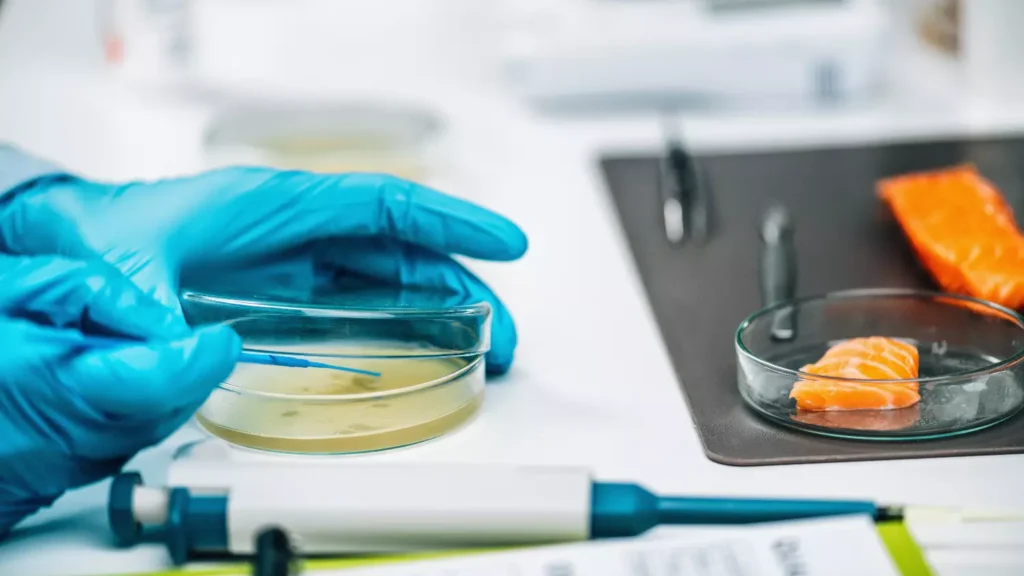
bacteria
In aquaculture, there are several types of bacteria that can affect the health of the fish. Some of these are harmless, but others can cause diseases.
These bacteria can live in water or in the plants they eat the fish, but they can also be transported by other fish, making them contagious.
When a fish is sick, it can be difficult to know what is the problem. Because of this, it is important to closely monitor the health of your fish.
If you notice a problem with the water in your tank, or with the food given to the fish, then you should take action. You can change the water, add antibiotics or put your fish in salt baths to help them improve.
The bacterial diseases they are one of the most common causes of death in fish culture, although they can be difficult to diagnose (it is important professional help), and even to treat.
Viral diseases, on the other hand, can be easier to diagnose because they do not have any symptoms when they appear for the first time. They can also be more difficult to treat because it can cause the fish to die very quickly.

virus
Los virus juegan un papel importante en la causa de las enfermedades de los peces. Son una causa importante de pérdidas de producción en la acuicultura. De hecho, infectious diseases account for 60% of the total mortality associated with diseases in the industry.
One of the main drivers of the emergence of viral diseases in aquatic animals is the movement of intentional or unintentional of pathogens into new geographic areas, often as a result of the global aquaculture and the ornamental fish trade. There have been several examples of viral diseases caused by exotic viruses in european waters, North America, South America, and Asia, including epidemics of herpesvirus-induced virus in sardines (Sardinops sagax) and outbreaks of the virus of infectious hepatitis in rainbow trout (Oncorhynchus mykiss).
These viral pathogens are usually transmitted by direct contact between infected fish and other persons, or by inhalation of contaminated droppings. Infections resulting can be highly contagious and have serious consequences.
Las enfermedades infecciosas emergentes de los peces son una preocupación creciente para la industria pesquera. Además, son cada vez más comunes en diferentes regiones del mundo. La aparición de estas enfermedades infecciosas está asociada con una serie de factores, que incluyen: la propagación de cepas virulentas de un virus conocido en nuevos huéspedes; las mutaciones virales; las actividades antropogénicas como la introducción de un pez exótico susceptible especies o un virus a un nuevo hábitat; y el estrés que causa la acuicultura intensiva.
In addition to conventional diagnostic techniques, in situ hybridization (ISH) assays and chain reaction-quantitative polymerase (PCR), the analysis metagenómico se ha convertido en una herramienta útil para descubrir y caracterizar infecciones virales en diferentes ecosistemas. Tiene el potencial de acelerar el descubrimiento de nuevas enfermedades virales en la industria de la acuicultura y de identificar comunidades virales que están presentes en ambientes acuáticos utilizados para la piscicultura.
Through the analysis metagenómico, the time needed to identify the etiological agents of emerging infectious diseases is shorter than with traditional diagnostic techniques and traditional. In addition, the ability of the analysis metagenómico to detect a variety of phenotypes and viral antigenic variants makes it an invaluable tool for the discovery of new pathogens in aquaculture.
fungi
El hongo es un tipo de parásito y una enfermedad común en muchas especies de peces, incluidas las que viven en agua dulce. Son una causa común de mortalidad en algunos peces, particularmente aquellos que están expuestos a una alta densidad de población.
Los hongos hacen que se formen crecimientos blancos en las aletas y el cuerpo de los peces infectados. Estas infecciones a menudo se observan cuando los peces han estado estresados o lesionados.
Fungal diseases can be a major concern in the marine aquaculture, as some can cause serious losses to the economy and even lead to the extinction of species. There are several types of fungi that can cause diseases, including those that attack the gill tissue and muscles, those that affect the skin and produce toxic algae.
The fungus that affect the gill tissue and the muscle is called oomycetes. Can grow in both fresh water and brackish water and can be found in most aquatic environments, including the tanks of fresh water.
Los síntomas de las infecciones fúngicas oomiceticas varían según el tipo y la etapa de la infección. Por lo general, aparecen como mechones elevados que parecen hilos de algodón, que aparecen en la piel y las aletas de los peces afectados, y suelen ser de color blanco, gris o marrón.
These strands may also appear in the eyes, the lips and tongue of the fish affected. These strands can be very sensitive to the touch and can be difficult to remove from the fish.
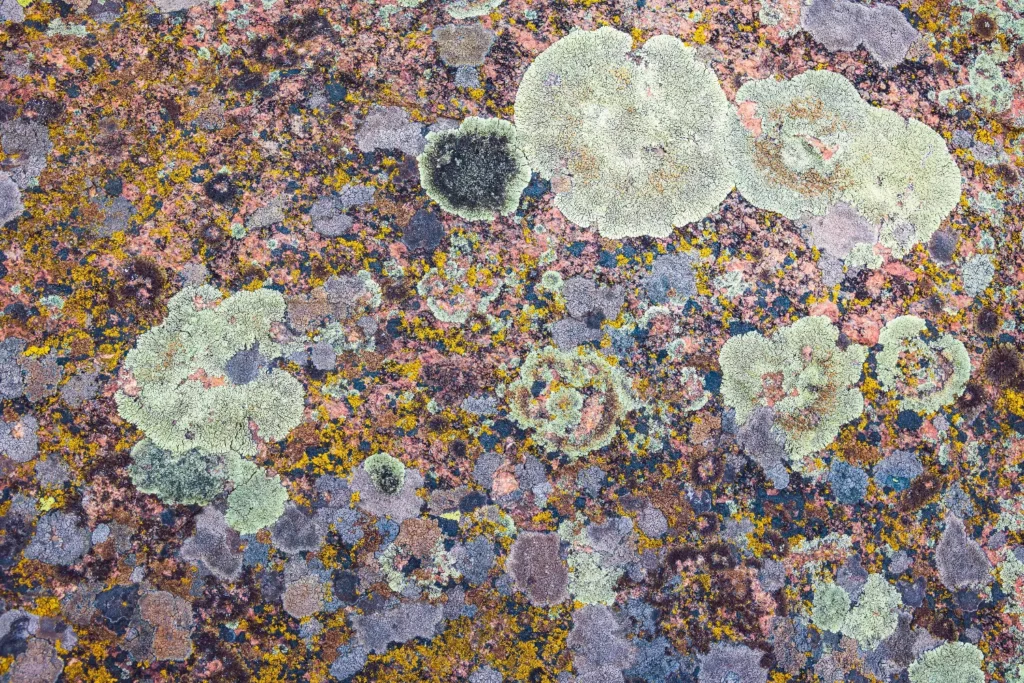
Other symptoms include skin that is red and scaly, loss of pigment in the fins and tail and ulcers on the fins or skin. These problems can be serious and require immediate treatment to avoid the deterioration of the health of the fish.
The saprolegniasis is an infection of the skin and fins of fishes of fresh and brackish water caused by the fungus Saprolegnia. This infection is particularly common in fish newly purchased and shipped, especially those that have been damaged by networks or manipulation.
It is also associated with environmental stress, such as drastic temperature changes and a sudden change in the pH levels. These conditions can cause the fish to be more susceptible to the fungus and reduce your immune response.
The spores of Saprolegnia are also produced by other microorganisms in the environment and can be introduced into the fish when they come in contact with particles of contaminated food in the bottom of the tank or food poorly stored. When you ingest the spores, can be developed in the body of the fish and infect the tissues of the digestive tract, including the liver, the pancreas, the spleen, the kidneys and the intestine.

