
If you've ever struggled with allergies in dogs, you know the challenge of keeping your “friend " hairy” happy and healthy. Just like humans, dogs can suffer from allergies that may cause discomfort and pain and it is our duty as owners of pet to seek their welfare, treating and preventing allergies in our dogs.
Do you want to avoid these allergic reactions and keep your pet healthy? In this article, we will give you some helpful tips to keep your dog healthy and happy.
1. Observe the behavior of your dog
Allergies in dogs are a common condition that can be caused by a variety of factors, such as food, parasites in máscotas (such as dust mites and fleas) and chemical products in the home, however, a cause which is often overlooked is the allergy to other animals, including dogs. While you may not think that dogs can get allergies, it is important to observe your dog for any signs of allergic reaction-time. The observation of the early symptoms is the key to preventing the development of the disease.
Allergies in dogs can manifest itself in various forms, including itchy skin, redness, inflammation, runny nose, sneezing, and coughing. While some of these symptoms may be common in dogs, they should be monitored closely to detect any change in its severity or frequency. If your dog starts scratching excessively or develop bald areas on your skin, you may have an allergy. If not treated, an allergy can worsen and lead to a secondary infection or even a chronic disease.
A way to prevent allergies in dogs is to carefully observe their behavior and eating habits. If your dog shows signs of allergy after eating a certain food, you may need to adjust your diet to avoid these foods. It is also important to monitor the reactions of your dog to the chemicals in your home, such as cleaning products and air fresheners; if you notice that your dog has an allergic reaction after contact with a particular chemical, you should avoid using this product in the future.
Another way to prevent allergies in dogs is to maintain your home clean and free of dust mites and fleas. Dust mites and fleas are a common cause of allergies in dogs, and it can be difficult to detect. It is important to keep your home clean and free of dust and mites, and also treat your dog with a product flea regularly.
The observation of your dog can also help to prevent allergies when they detect any change in their behavior or signs of illness. If your dog seems lethargic or not eating well, it can be a sign that something is wrong. If you notice any change in the behavior of your dog, it is important to take him to the vet for a checkup.
Another way to prevent allergies in dogs is to make sure that your dog has a balanced diet and healthy. A healthy diet can help to strengthen the immune system of your dog and prevent allergies. Make sure that your dog has a balanced diet that includes proteins, fats and carbohydrates, and avoid foods that are processed or preservatives.
Prevent allergies in dogs is an important task for any owner of a pet. The observation of your dog and the early detection of any signs of allergy are critical to prevent the development of allergies in dogs. To keep your home clean and free of dust mites and fleas, and make sure your dog has a healthy, balanced diet, can help prevent allergies and to keep your dog healthy and happy. If you notice any change in the behavior of your dog, it is important to take him to the vet for a checkup.
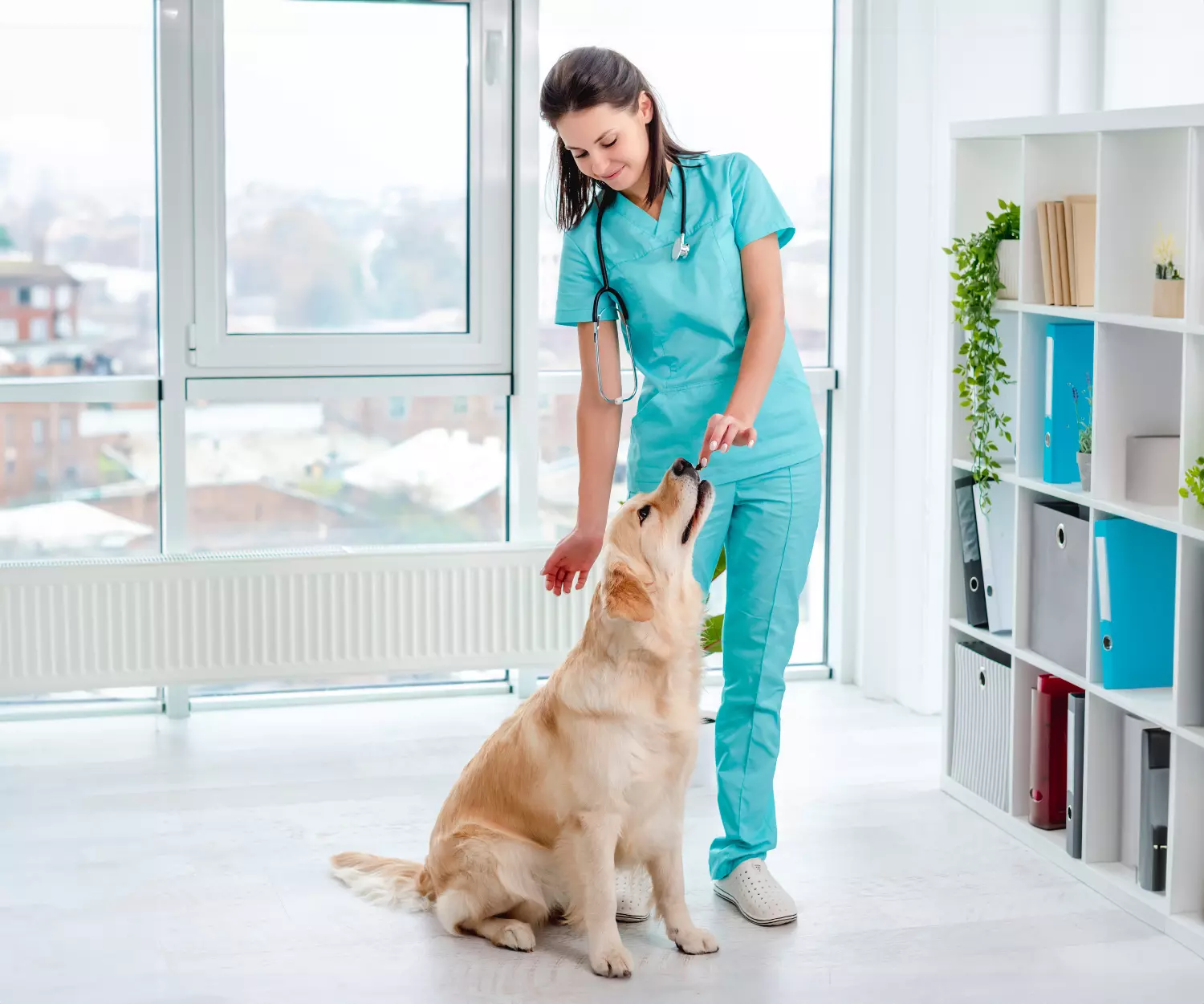
2. Consult your veterinarian trusted
Allergies in dogs are a common health problem that can affect the quality of life of our pets. Whether it be a food allergy, environmental, or other type, it is important to consult a veterinarian to treat the symptoms of allergy and preventing diseases in your pet.
The symptoms of allergies in dogs can include itching, redness, swelling of the skin and respiratory problems. If left untreated, these allergies can worsen and cause more serious complications, such as infections of the skin and even severe respiratory problems.
A veterinarian can diagnose the cause of the allergy and recommend the best treatment for your dog. The treatment can include changes in diet, medications, therapy and immunotherapy. The veterinarian can also provide tips on how to reduce the exposure of your dog to allergens and how to control the symptoms of the allergy.
In addition to treating existing allergies, a veterinarian can help to prevent future allergies in your dog, your veterinarian can recommend a proper diet for your dog, that includes ingredients that do not cause allergies. They can also provide tips on how to avoid environmental allergens, such as pollen and dust.
It is important to remember that allergies in dogs are common and treatable. If you notice that your dog has allergy symptoms, such as itching or redness of the skin, it is important to consult a veterinarian as soon as possible. The vet can diagnose the cause of the allergy, and provide the best treatment for your dog.
In addition to consult a veterinarian, there are some things that you can do at home to help prevent and treat allergies in your dog. A healthy and balanced diet can help prevent food allergies. You can also try to limit the exposure of your dog to environmental allergens, such as pollen and dust, keeping your home clean and ventilated.
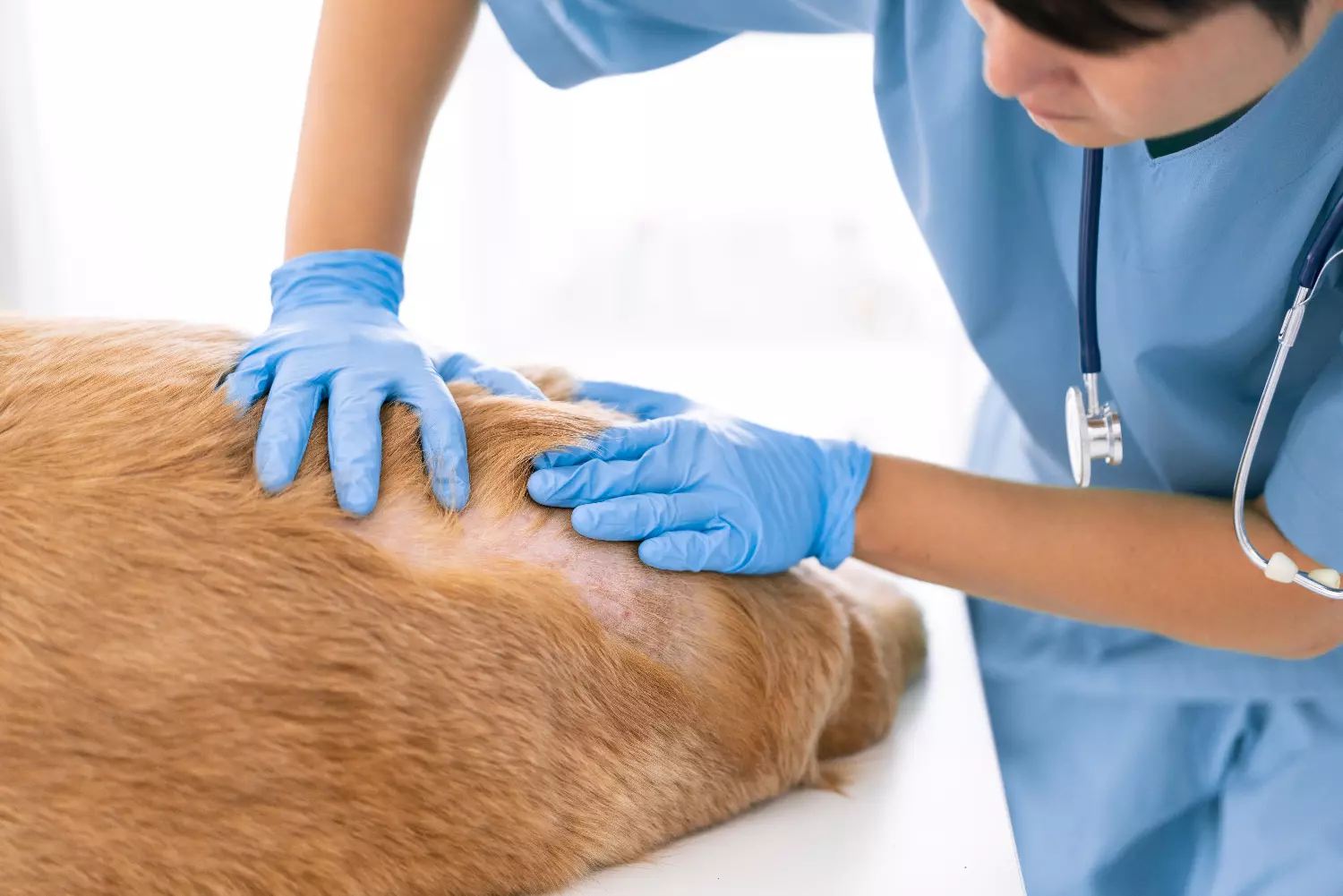
4. Treat allergies in dogs
As previously mentioned, the allergies in dogs are a common condition caused by multiple factors, such as food, pollen, dust mites, fleas, and other insects. If your dog has allergies, here are some tips and treatments that you can try, to help you feel better.
The first thing you should do if you suspect that your dog has allergies is to take him to the vet. Your veterinarian can perform tests to determine what is causing the allergy your dog, and from there, develop an appropriate treatment plan.
Once you have determined the cause of the allergy your dog, you can start to treat it. If the cause of the allergy is a food allergy, you will need to change the diet of your dog. Your veterinarian may recommend a special diet for dogs with food allergies, which usually consists of foods that are hypo-allergenic which do not contain the ingredients that cause the allergy.
If the cause of the allergy your dog is an environmental allergy, such as pollen or dust mites, there are several treatment options available. One option is to give your dog medications called antihistamines. These medications can help relieve allergy symptoms, such as itching and inflammation.
Another option is to give your dog immunotherapy. Immunotherapy involves injecting your dog small amounts of the substance that caused your allergy, which helps your body to develop an immune response more strongly to that substance. With time, this can help reduce the severity of symptoms and completely eradicate the discomfort caused by allergies.
In addition to these treatments, there are also several things that you can do at home to help your dog feel better. One option is to bathe him regularly with a shampoo especially formulated for dogs with allergies. This may help to relieve the itching and inflammation of the skin of your dog.
Keeping the environment clean and the common areas that usually frequents your pet is another way to treat allergies and prevent illness and bacterial infections in animals in general. If your dog is allergic to pollen, for example, you'll need to regularly clean your bed and any other area where you spend a lot of time, as this can be stored quickly. This can help reduce the amount of pollen in their environment and, therefore, reduce the severity of the symptoms.
If your dog has allergies, it is important to keep it in constant observation to determine the causes of the disease, then you need to take it to the vet to determine the cause of your allergy, to generate an accurate diagnosis and develop an appropriate treatment plan.
Treatments for allergies in dogs include changes in diet, medications, antihistamines, and immunotherapy, but at home there are also several steps you can take to help your dog feel better, such as for example bathe regularly and keep clean your environment. With the right treatment and taking these preventative measures, your dog will feel better and return to enjoy your life without discomfort.

