
The virus Hendra in horses is an RNA virus pleomorphic with wrap. Has a sequence homology limited respirovirus and morbillivirus and has an immunological cross-reactivity negligible with other members of the family of paramyxoviruses.
The histopathology of the infection by the virus Hendra (HeV) demonstrates vascular lesions extensive hemorrhage and syncytia of endothelial cells in the capillaries and pulmonary arterioles. The degeneration fibrinoid widespread of small blood vessels is also observed in other organs such as the stomach, kidneys, spleen, and lymph nodes.
Transmission of the virus Hendra
The mode of transmission of the virus Hendra is not yet clear. It is believed that horses can be infected with the virus, Hendra through close contact with fruit bats, either by direct exposure to saliva or by inhalation of droplets containing the virus. Alternatively, the horses can become infected through indirect exposure to the fluids of labor or the placenta of fruit bats infected, or through brood aborted or urine of fruit bats infected naturally. It is also possible that a contagion of infected horses, although this has yet to be documented.
The infection can be diagnosed using a series of clinical signs include chills, tremors and depression. There is an inflammatory reaction widespread within the blood vessels, which causes large syncytia endothelial; this is particularly evident in the lungs, but can be observed throughout the body, including the kidneys, the heart, the stomach, the liver, spleen, skeletal muscle, and lymph nodes.
The presence of the virus can be confirmed by viral RNA in blood samples taken from the horse or in a swab obtained from the trachea. In histopathology, the bodies of Heinz and the inclusions of viroids intracytoplasmic (which can only be seen by electron microscopy) are characteristic of infection by the virus Hendra.
Yet it has not been proven that the virus is transmitted from human to human or from person-to-person (as happens with some zoonotic diseases), however, it is considered that the risk of this occurring is low enough to justify the classification of viruses, Hendra and Nipah in the group of risk 4, therefore, the people with animals from an endemic area should use personal protective equipment, such as impervious gloves, disposable gowns disposable and visors facial.
Those with high levels of exposure to body fluids of horses should have blood tests for six weeks to verify the antibody response to the virus, Hendra.
Any horse that is potentially infected with Hendra or Nipah should be quarantined and reported to their owners/caretakers. The possible presence of these viruses should be included in the risk assessment of any event that involves equestrian sports. You must track and report to potential contacts and, if it is not possible to track them down, they should provide advice on how to avoid further exposure.
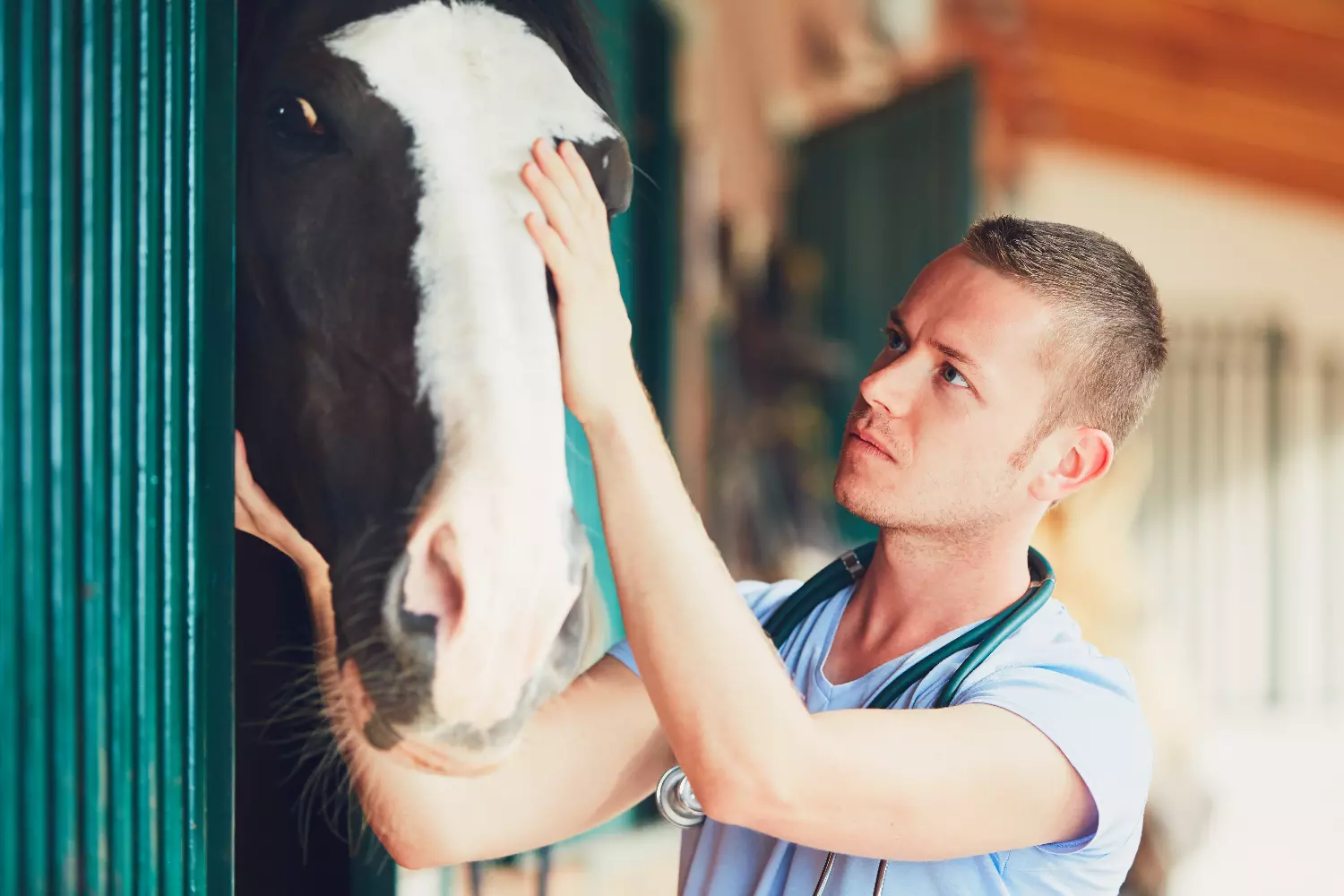
Symptoms of the virus Hendra
It is believed that the virus Hendra infects to the horses when they enter into a stable by direct contact with blood, body fluids, or feces of a horse, sick or dead; then, the virus can be transmitted to people handling the horse, especially if they have dirty hands. A person infected with the virus Hendra you may have a fever, headache, drowsiness, and/or muscle aches. They may also have a sore throat, vomiting, and/or stiffness in the neck and back. In some cases, the infection by the virus Hendra cause encephalitis (inflammation of the brain) which can cause seizures and/or coma.
Symptoms appear rapidly and are often sudden and severe. The first signs of the disease are fever and sore throat. Affected horses are often agitated and losing balance or coordination, and with time, the disease progresses to become a respiratory disease and/or neurological symptoms and in some cases, in death.
The virus was first described in 1994, after an outbreak of acute respiratory disease in a stable training of pure blood in Queensland, Australia, which killed 14 horses and two people were infected and died. Since then, there have been sporadic cases in all areas of Australia where there are fruit bats (flying foxes) and horses. It has been shown that the virus causes neurological diseases in both acute and serious in humans and affects a variety of organ systems, different horses, including the lungs, the heart, the spleen, the liver and the kidneys.
The infection can also cause a variety of cutaneous lesions, which tend to be painful. If the virus spreads to the eyes, nose, or mouth of a person by direct contact, can cause blindness, painful and sometimes permanent. In some cases, the infection can spread to the gastrointestinal tract (gut), where it causes stomach upset and severe abdominal pain.
Diagnosis of the virus Hendra
The diagnosis of the infection by the virus Hendra is based on laboratory tests, nucleic acid, antigen, and antibodies specific to the virus. The collection of samples that are submitted for examination must be based on a careful analysis of risks carried out by your veterinarian trustedto minimize the risk of human exposure, taking into account the availability of personal protective equipment and the experience to do so. The minimum set of samples recommended includes a sample of whole blood (EDTA) and swabs, nasal, oral and rectal.
The virus Hendra is an RNA virus of the family Paramyxovirinae. Has a wrap pleomórfica, with sequence homology limited with other members of the genus Morbillivirus and has an immunological cross-reactivity insignificant in the other two genera of the subfamily Paramyxovirinae (Respirovirus and Virus Nipah). It has been shown that the virus causes interstitial pneumonia of varying severity in infected horses in a natural way.
The virus Hendra is passed from bats to horses by direct contact or indirectly through the ingestion of grasses, fruits, or other foods contaminated. Then, the horses can become infected by ingesting the virus through urine, droppings, or saliva. The pathology of the infection in horses is variable depending on the route of infection and it has been described that varies from a respiratory illness until a neurological disease.
You should track and report the situation to potential human contact, especially because the virus Hendra is classified as an agent of level 4 biosafety. Should be advised that, although not yet documented transmission from person to person, the likelihood of this happening is low. If you are at risk of being exposed to the virus, it is important that you follow the advice on post-exposure prophylaxis with ribavirin.
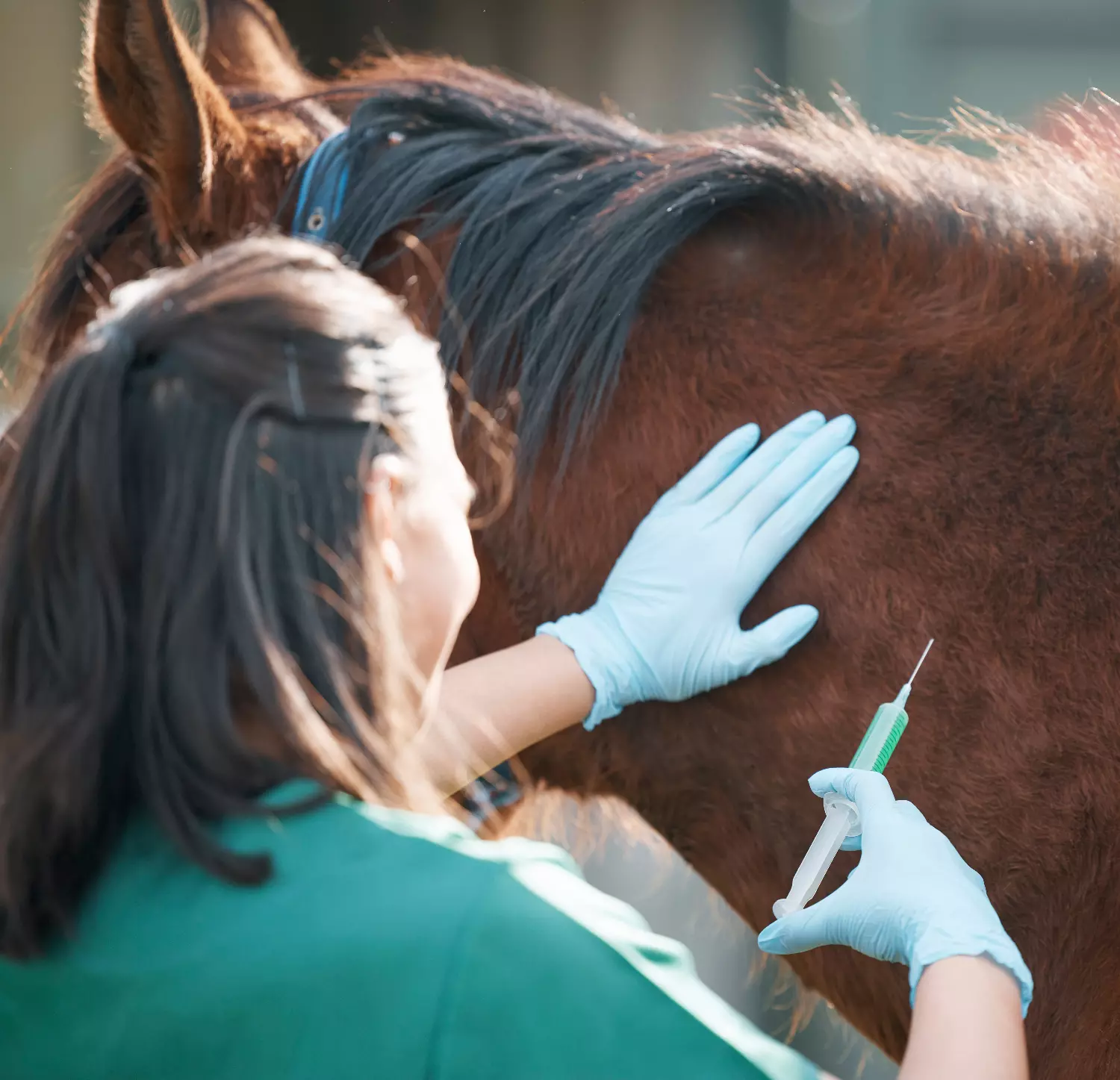
Treatment of the virus Hendra
The best current treatment for horses infected with the virus Hendra is supportive care. It is important to keep the horses calmer possible, feed them and give them to drink regularly and pain relief as needed. If a horse is seriously ill, you can apply euthanasia to avoid suffering.
The infection by the virus Hendra is not contagious to people. The few human cases that have occurred have been the result of exposure to very high levels (direct contact with respiratory secretions and/or blood of an infected horse) without appropriate personal protective equipment. People who have developed an infection in this way, they performed activities such as helping in the post-mortem examination of dead horses, to carry out certain veterinary procedures or have had extensive direct contact with the skin and mucous membranes of infected horses while the groomed or fed.
The infection in humans varies from a mild illness similar to the flu to a life-threatening pneumonia or a neurological disease (encephalitis or aseptic meningitis). The symptoms are often very similar to those of the horse, with fever, headache, sore throat, drowsiness, and enlarged lymph nodes.
A vaccine has been developed that contains a component of non-infectious virus and was introduced to the market in November of 2012. The vaccine is only available through veterinarians and after you apply it is recommended to use annual boosters to have a greater protective cover.
The virus Hendra occurs mainly in the area of Brisbane, Australia, where it has been identified to flying foxes as a source of infection for both horses and humans. It is estimated that there are 400,000 to horses in the region of Brisbane and of them, around 80 per cent have no history of vaccination and at risk of infection.
If it is considered that a horse is at risk of coming into contact with the virus, the APVMA recommends that you isolate and maintained under veterinary supervision until you have had a blood test to determine his state of infection. If you are infected, the entire property will be put in quarantine until they are able to present sufficient evidence that all the horses on the property have been free of infection.
Horses vaccinated against the virus, Hendra do not need to remain isolated, can be brought in and used for reproduction. When you take the necessary steps to to have a stable healthyin the majority of cases, this type of disease can be avoided.

