
The african swine fever (asf) is a highly contagious viral disease with high mortality rates in domestic pigs and wild. Has devastated pig farms family all over the world, threatening the livelihoods and food security. While it is an endemic disease in some african countries, has spread to Europe and Asia and has caused serious economic disruption, causing restrictions on the movement of pigs and their products in many countries.
The control depends on early recognition and rapid laboratory diagnosis. It also requires strict quarantine and biosecurity on farms backyard, restriction of movement of animals and slaughter of animals affected and those in contact with them.
Symptoms
African swine fever is a viral hemorrhagic highly contagious and fatal disease that is transmitted by direct contact with infected animals, by indirect contact with fomites and ticks vectoras. The infection usually results in death within a week of the start. Infections are more common in pigs in herds of pigs, but infections can occur in other animals such as wild boars and wild boars.
The clinical signs of the PPA are variable depending on the virulence of the isolate. May include fever, skin lesions, with stains, bloody diarrhea, abortion, kidneys and spleen, swollen, bleeding, and sudden death. African swine fever is a disease that is difficult to contain and can take many years to eradicate it.
In the case of a chronic illness, the symptoms may include weight loss, skin lesions and secondary infections. The mortality rate may be lower than that of the acute disease, but the severity of the disease remains high.
The most important thing to remember about african swine fever is that it can spread rapidly from one country to another. Therefore, it is important to check your property regularly to detect any unusual activity and report anything that seems to african swine fever to the direct lines of surveillance of animal diseases in each country.
This is because if african swine fever is present in your property, it can be very difficult to stop it and contain it. It is also important that you keep all of your pigs to date with vaccines and that your herd is registered as an entity of biosecurity.
Infections of the wild pigs are rare, and usually result in an asymptomatic infection, but they can still be responsible for the introduction of virus in herds and can contribute to outbreaks of african swine fever. Infections of the wild pigs are transmitted by ticks soft (Ornithodoros spp.) that dwelt in the burrows of warthogs and in the accommodation of the pigs.
Diagnosis
The diagnosis of african swine fever is a vital step to determine the health of a herd and prevent outbreaks. You can identify them by cyanosis blue-purple on the snout, ears and tail of a pig; high fever; runny eyes and nose; and depression or declining growth.
The virulent strains of african swine fever cause an acute disease which is often fatal between 4 and 20 days after infection. Strains less virulent can cause chronic diseases, affect the immune system and causing reduced growth and skin lesions.
The main source of infection for PPA are infected pigs. That is why it is so important to isolate and identify the infected pigs and contact professionals. This can be done through blood samples, tissue examination or PCR reaction (polymerase chain reaction).
If it is possible to isolate infected pigs and to identify the genotype, this information will help to understand the specific characteristics of each strain of PPA. This helps to develop a vaccine that could be effective against different strains of the virus.
Prevention
The disease is spread through direct contact with infected pigs, and through the waste of food that contain pig feces or bodily fluids of infected pigs. It can also spread through the bite of a tick vector or through wild pigs infected.
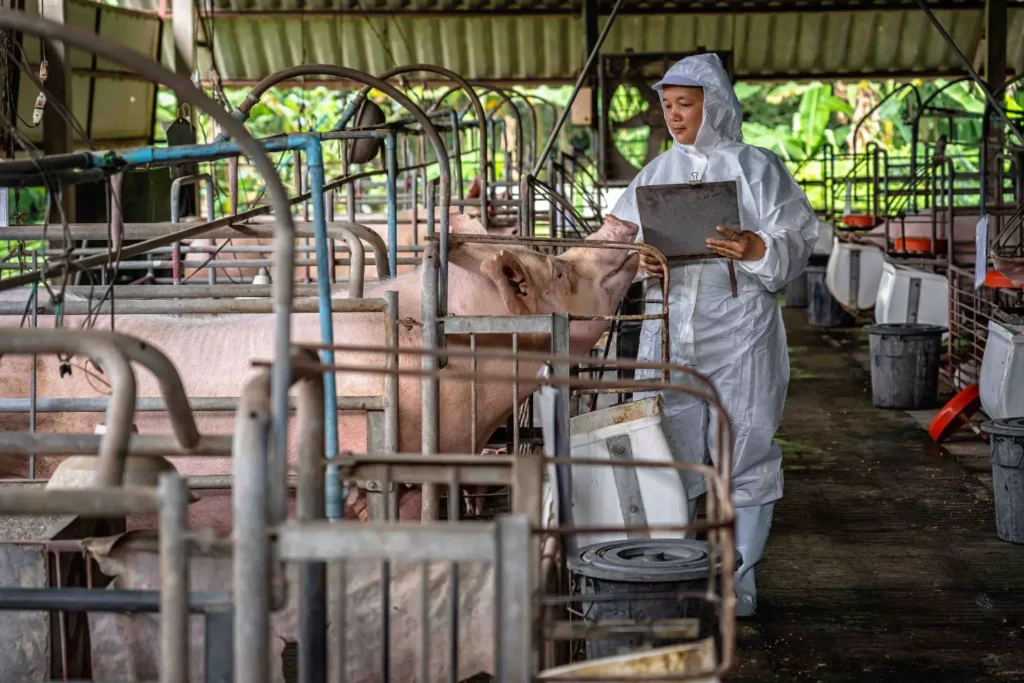
In addition to following good agricultural practices, it is essential to have a biosecurity plan and ensure that all workers and visitors know the rules. Taking all of these precautions can help protect the swine industry of the african swine fever, and other diseases that affect it.
To help protect pigs from infection, farmers must take good care of their pigs and to follow good practices of animal health. This includes having a biosecurity plan effective and ensure that all workers and visitors know the rules of the farm.
It is also important to ensure that all visitors are screened for the african swine fever before entering the premises. This can be done through a simple blood test that can be performed in a hospital or veterinary clinic.
This can help reduce the amount of infected pigs and, therefore, reduce the severity of an outbreak. It is also important to keep pigs in the interior during the outbreaks to avoid coming into contact with other animals or people.
If there is a new outbreak in a region, you must notify the local government as soon as possible to trace the origin of the virus. This is especially important for the pigs in remote areas where it can be difficult to track an infected pig specific.
It is important to make sure that the people who visit a pig farm are vaccinated against the PPP. This will help prevent an outbreak of the disease in the future.
Control
As we have pointed out, the african swine fever (asf) is a major social and economic problem in many countries, where their presence causes a great disturbance in the swine industry local.
In fact, a virulent strain of the virus caused a major outbreak in 2007 in Georgia, that stretched from the north and the east of Europe and Russia. Have been reported most recent outbreaks in China, which is the largest producer and consumer of pork in the world.
THE PPA can survive for long periods in the environment, in channels and in various pork products, such as pork sausages, ham, bacon or cured meat. It is also easily transmitted from diseased pigs to pigs healthy.
The virus is highly resistant to a wide range of pH, and can survive for long periods at room temperature, or for months if stored at 4°C. it can Also be transmitted by humans, animals, and arthropods.
Humans can become infected through direct contact with body tissues or fluids from infected pigs, or through the consumption of food and drinks contaminated by infected pigs. It is also possible that the people carry the virus as a carrier through the bites of ticks.
There is No vaccine available for the PPA. Therefore, control measures focus primarily on preventive measures in pig farms. Include the surveillance, epidemiologic investigations, the tracking of pigs and the stamping-out of infected farms.
The early detection of a new flare-up is essential to ensure effective control of the disease at its source. This is particularly important for breeders of pigs, as it is likely to be the first to notice the symptoms on your farm. Also are those who can provide follow-up on suspected cases and take the necessary follow-up measures.
Hygiene practices improved are crucial to reduce the risk of infection by african swine fever. This includes good sanitation, including the elimination of feces from pigs and other animals, and footwear and clothes clean so the visitors of the pig farms.
Also, by using a biosecurity strict in pig farms, as we have pointed out above.

