The treatments for mastitis, bovine or ovine vary depending on the severity of the inflammation present in the breast tissue. In all cases it is fundamental to an evaluation veterinarian to determine what is the correct approach according to the needs and conditions of the affected animal.
The mastitis it is one of the most common conditions in cattle and sheep. It is characterized by inflammation of the breast tissue-associated infections, trauma or contamination. Its treatment is essential to preserve the health of the animal in good condition.
It is impossible to eradicate because it is a multifactorial problem. However, you can implement preventive measures and approaches fast that reduce the time of infection. This prevents infections and improves the quality of life of the animals and their productivity.
Treatment for mastitis according to their severity
The treatment of bovine mastitis depends on the severity of the infection. Mild cases can receive a symptomatic treatment with a preventive approach to avoid re-infection. Prevention includes vaccination and improvement of the sanitary conditions of the environment and the milking machines.
If the inflammation is back again or did not remit must be a culture with antibiogram. Knowing what bacteria are causing the infection is critical to provide appropriate antibiotics and prevent the immunity of bacteria.
It is important to consult the veterinarior before the onset of the first symptoms to prevent mastitis advance. In this article, you will learn what are the warning signs of mastitis and what is the approach for each case.
Mastitis, bovine or ovine subclinical
The mastitis, bovine or ovine subclinical it is characterized by a count of high somatic cell counts. The cattle do not have visible signs of inflammation and the production of milk no alterations. It can be produced by Staphilococcus aureus, Streptococcus agalactiae or Streptococcus uberis.
The treatment for subclinical mastitis is in isolation and massage of the affected quarters. There are two options for drug treatment, applied during lactation, and applied after breastfeeding.
It is the ideal treatment applied simultaneously to all the animals with symptoms during the drying. This mode prevents infections during the dry period. To induce the drying can be used oxytocin, according to the instructions of the veterinarian.
If the generalized infection is not serious, are isolated from the animals that require antibiotics and are used as probiotics in the less severe cases. This is to avoid the discarding of milk due to the use of antibiotics.
Before proceeding with any therapy, it is best to consult a veterinarian and follow their recommendations. In case of relapse must perform an antibiogram and apply an antibiotic to prevent the progress of the inflammation.
Mastitis, bovine or ovine clinic
The bovine mastitis clinic it is usually caused by S. aureus, coliform, S. agalactiae, S. dysgalactiae, S. uberis, Pseudomonas spp., yeast or Prototheaca spp. Cows infected have symptoms depending on the organism causing the infection, so the crops are fundamental.
There are three types of clinical mastitis, the mild, moderate and severe. The mild studied only with alteration in the milk. The moderate, with inflammation and milk with abnormal features. The severe course with fever, lethargy, and inflammation in the mammary gland and abnormal milk. Because the owners tend to treat their animals with clinical mastitis mild to moderate clinical mastitis becomes severe in most cases.
The treatment of clinical mastitis and its duration depends on the age of the animal and micro-organism that caused the infection. Options include cephalosporins, quinolones, aminoglycosides, penicillin and the penetamato iohidrato via intrammary or intraparenteral. Additionally, it is recommended the use of Nsaids to improve the effectiveness of antibiotics to reduce the inflammation.
Mastitis, bovine or ovine acute
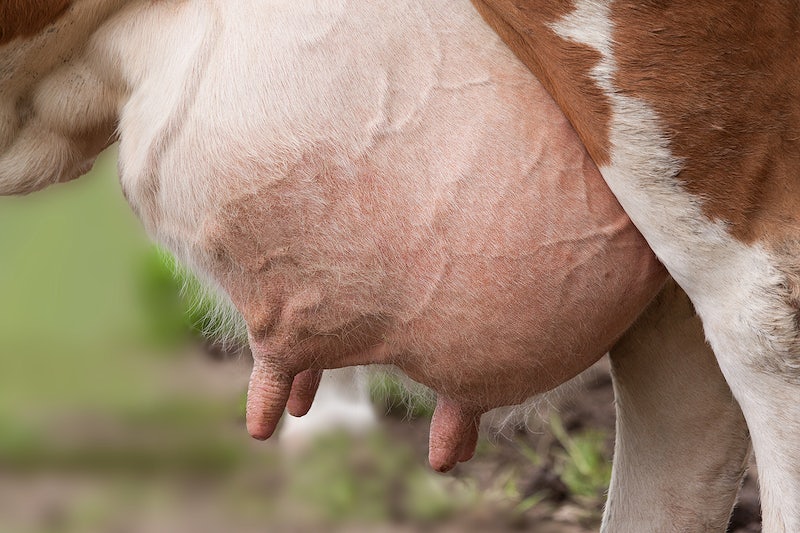
The microorganisms that cause acute mastitis are generally E. coli, Klebsiella spp, Enterobacter sp, S. uberis and S. dysgalactiae. The infected cattle fever, lethargy and loss of appetite. Their mammary glands are swollen and can become edematous or harsh to the touch. It differs from the other phases by the presence of watery secretions, serous, purulent, or grumosas.
The treatment for acute mastitis consists of saline hypertonic, anti-inflammatory and mixtures of antibiotics. It is essential consult a veterinarian to perform a culture and treating the disease. Your progress in this stage involves a risk of life.
Mastitis, bovine or ovine acute gangrenous
This type of infection is very serious and if not treated immediately, can be fatal or at the loss of the affected quarters. To get to this stage, the animals have already gone through previous stages or have been treated the wrong way. The microorganisms associated to this type of infection are S. aureus and C. perfringens.
The symptoms are loss of appetite, dehydration, fever, and lethargy. The animal presents deficiency in the homeostatic, which is generally a sign of toxemia. After the symptoms of acute mastitis, nipple, it cools, and the secretions become watery or has blood in it.
To treating mastitis with gangrenous should be carried out crops in the affected quarters. If the veterinarian it indicates, should be applied oxytocin to promote the emptying of the udder. Antibiotics should be applied parenterally along with anti-inflammatory drugs to increase the odds of success. In many cases, the filing of the infection should be cut off the affected quarters to save the life of the animal.
Mastitis, bovine or ovine chronic
The chronic mastitis is a difficult disorder to treat, and in many cases, it requires the sacrifice of the animal. Your healing is a complex process and involves the risk of contagion to other animals. Because this state is often a result of treatment poorly implemented, the infectious isolates can be resistant to antibiotics.
The tratamiento de la mastitis crónica is complicated because the animals alternate the signs of acute infection with periods without signs of disease. However, it is distinguished from other stages by submit periodically clots, strands of fibrin or lumps. In these cases, the milk is not marketable.
Due to its gravity, a veterinarian you must evaluate the animal after culture with antibiogram to know what is the best treatment alternative. The use of antibiotics in these cases usually exceed the 8 days of treatment. It is essential to follow the recommendations and reduce the contact with the infected animal. These measures will prevent the spread of animal or operators.

does your animal is sick?
Don't wait until it is too late!
- Etiquetas:
- bovine
- mastitis
- saludanimal

