
The porcine respiratory and reproductive syndrome (PRRS) is a disease of worldwide importance of the domestic pig. Causes abortion gestational late, pneumonia, and loss of force in piglets young.
It is caused by an arterivirus porcine called PRRS virus. It affects all age groups of pigs, including the breeding and fattening pigs naive.
Clinical signs
During the first period of infection, the bristles may have a fever, lethargy, and depression. They can also show signs of difficulty breathing or vomiting. Some bristles experience cyanosis mild of the ears, abdomen and vulva.
A second phase begins one to four weeks after the onset of clinical signs and is characterized by reproductive failure from 5 to 80% at 100 to 118 days of gestation. This results in abortions, premature or late, piglets born dead, or weak, and mummified fetuses.
The reproductive problems begin to improve after two or three months. However, multiple bristles are still having reproductive problems with their offspring. These bristles have dyspnea (“tapping”) and do not eat for longer periods. The fetuses are often weak and will die shortly after birth due to secondary infections.
The virulence of strains of the PRRS virus that infect a herd varies, as the presence of other co-infections, and management practices. Herds with a high percentage of piglets or flocks that contain a large proportion of players older are at a higher risk.
Sows and boars have a redness widespread of the skin or a blue color to clear the skin of the ears, nose, and paws, as well as loss of appetite and difficulty breathing. The shortness of breath is common and may be accompanied by vomiting or nervous signs such as tremors, tilt of the head or seizures.
The sows and piglets affected are usually a little productive and hair roughly. Several diseases can cause conjunctivitis, such as cholera, swine, pseudorabies virus, african swine fever, swine flu, smallpox, swine and respiratory syndrome porcine reproductive and (PRRS).
The economic impact is more significant of the PRRS is caused by mortality. The average daily gain average in affected pigs is usually between 5% and 20 % lower than it would be without the disease. This can have a great impact on the economy and may result in a reduction in the amount of meat can be produced per unit of land. It is important to recognize and control PRRS since the disease is a costly and deadly. The most important factor to prevent the spread of PRRS is the availability and the constant use of a vaccine against PRRS virus.
Abortion
Abortion is the expulsion of a fetus from a woman's body before it can survive. There are several types of abortions, and can occur at different stages of a pregnancy.
Miscarriages are common at the beginning of the pregnancy and are very rare in later stages. Induced abortions, which occur through a medical intervention, are also very common and are used for several reasons. For example, are often made to preserve a woman's life or to help prevent the birth of children with serious medical conditions.
During a miscarriage, some women may have severe pain or bleeding. This is normal and should pass soon after an abortion. The pain can last for hours after the procedure and is generally alleviated by nonsteroidal anti-inflammatory medications (like ibuprofen).
Other signs of a miscarriage include the removal of a large amount of blood or tissue, or a mild bleeding for longer than usual. During this time, it is important to get help from a doctor or clinic as soon as possible so that the problem can be resolved.
Medical abortion is a non-invasive and low-risk of having an unplanned pregnancy. Uses a combination of 2 medications, mifepristone and misoprostol, to stop the pregnancy. This method has an effectiveness of around 99 % and is safe for most people.
It is not suitable for everyone, so it is best to talk with your doctor if you have any doubt or question about the procedure. It is also not appropriate for pregnant women with certain medical conditions, or those who are taking any medication or have had a past reaction to the medication.
The abortion procedure, also called surgical abortion, is to pass instruments through the vagina and cervix into the uterus to remove the pregnancy tissue. It is necessary to open the cervix before they can pass these instruments and it is possible that the doctor may need to stretch it out to widen the opening.
During an abortion procedure, you must have a follow-up visit two or three weeks after the procedure. This will help the doctor to verify that the pregnancy has ended and that the levels of pregnancy hormone have declined. It is possible that some doctors need to perform a pelvic exam or an ultrasound at this visit.
Mortality Predestete
The porcine respiratory and reproductive syndrome (PRRS) is an infectious disease that can be transmitted between pigs. It is a major problem in the countries of pig rearing largest in the world.
The common clinical signs of PRRS in pigs infected during pregnancy or after childbirth are fever, lethargy, and fatigue. In piglets infant, shortness of breath (“tapping”), loss of appetite and loss of appetite are also associated with the infection. Other symptoms include red skin with spots, loss of balance, and death.
Infection with the PRRS virus can be maintained for many months after the start of the acute phase of the disease. This is particularly the case of the naive pigs and in good health.
The mortality rate before weaning is a problem and economic well-being important in the pig industry. Varies greatly between farms and can range between 5% and 35%.
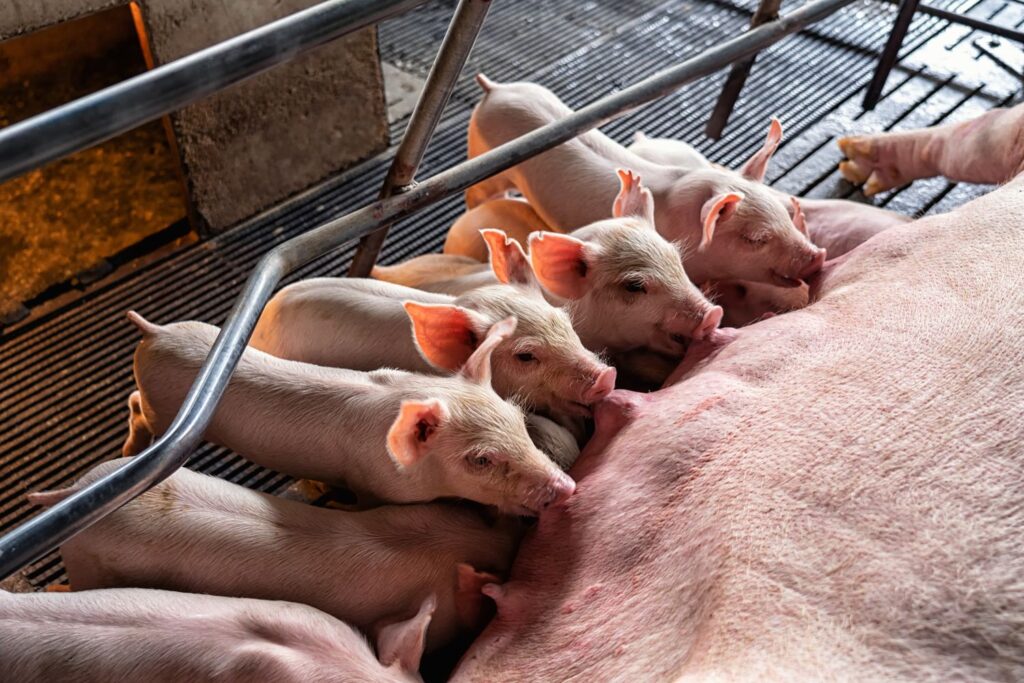
One way of reducing the death rate of piglets is to control the behavior of sows during the delivery. The bristles are used to express a behavior of nest building tend to have a lower mortality of piglets and increase the survival of piglets until weaning.
The concern of the bristles can affect the mortality of the piglets to hinder the search early nipples and attempts to nurse. Can occur when a sow changes the position of the udder of standing to sitting, lying down to sleep or rest.
Another factor that can affect the survival of the piglets is the intake of colostrum. A pig needs at least 250 ml of colostrum to thrive. A suckling pig that has less than 250 ml of colostrum will die in 24 hours.
The use of formulas of breastfeeding that provide a suitable concentration of the colostrum in the intestine of a pig can help reduce the rate of mortality caused by diarrhea and trauma. However, it is difficult to determine the exact amount of colostrum that will consume each piglet.
Respiratory disease postweaning
The porcine respiratory and reproductive syndrome (PRRS) is a viral disease first described in 1987 in the united States and is now found in North America, Asia, Africa and Europe. May cause abortions in sows and respiratory disease, postweaning in pigs in growth. PRRS is a virus highly contagious, transmitted by contact or exchange of fluids between infected pigs. It has been implicated in the flies of the stables as potential vectors of airborne transmission between herds, but this is not proven and has been debated.
Infection with the PRRS virus causes a variety of lesions in the lungs, lymph nodes and the spleen. The lesions are often accompanied by fever, cough, and dyspnea. The lung injury is characterized by interstitial pneumonia, pleural effusions, and fibrosis. Lesions of the lymph nodes are enlarged, tan and pale, sometimes, cystic; some strains of PRRSV cause bleeding lymph node.
The respiratory disease after weaning is an important part of the clinical picture of the pigs that are infected with the respiratory syndrome porcine reproductive and. The disease can cause significant mortality and is a major threat to pig production.
The symptoms of the respiratory disease post-weaning include loss of appetite, malabsorption and weight loss. Infected pigs can also become depressed, lose force and have trouble regulating body temperature.
The severity of this disease varies from one farm to another. The rates of population, air quality, and the size of the groups play a role in the level of infection in a particular farm.
When pigs are weaned, are infected with the PRRS virus, which causes interstitial pneumonia and lung infections. This deterioration in their condition, leading to poor growth and weight loss, and increases your risk of death.
Affected pigs tend to be very emaciated, with the hair and the skin rough and jaundice. These conditions are difficult to control. They are also expensive to treat.
The weaned pigs are susceptible to pneumonia and abscesses are bacterial in the infected lung. These bacterial infections are often accompanied by gastrointestinal problems side and wasting, and the infection can spread to other organs.
The respiratory disease, postweaning is one of the most serious diseases that can cause the PRRS. It can lead to a decrease in food intake and a reduction in the survival of the piglets, and it is very costly to manage.

