Avian Influenza
The avian influenza (bird flu) is a type of flu can be fatal for the birds and the people who get it. Is transmitted from wild or domestic birds to humans through contaminated surfaces, mucus, or feces.
The AIV can be classified as highly pathogenic (HPAI) or low pathogenicity (LPAI). The strains of HPAI are usually fatal to poultry and cause serious disease in humans.
Symptoms
The bird flu is a type of influenza that affects poultry (poultry, waterfowl). Some strains of the virus are highly pathogenic and cause severe respiratory diseases in the affected animals. Other strains are less severe and cause fewer signs of disease.
The signs of avian influenza vary depending on the strain of the virus and can vary from a mild illness (pink eye) until a flu-like illness to severe, which can lead to pneumonia, breathing problems, or death. Humans can become infected with the bird flu virus after exposure to the virus in the bird droppings, saliva, or nasal secretions, or throat.
People who are sick of avian influenza usually develop symptoms similar to the flu within 1 to 5 days of having been exposed to the virus. These symptoms can include fever, cough, headache, body aches, sore throat and fatigue.
The symptoms of avian influenza in humans may also include conjunctivitis, diarrhea, and abdominal pain. In very rare cases, humans can become infected after contact with contaminated surfaces, including waste water, or food.
If you are sick of avian influenza, aíslese of other members of the household. Avoid going to work or school until you have a test for flu to confirm that you do not have the virus and recover from your illness.
To avoid getting the virus, use protective equipment when handling domestic and wild birds. This includes gloves, a mask and medical protection for the eyes. Change clothes after handling infected poultry or wild.
Most of the times, people infected with avian influenza have had direct contact with infected birds or contaminated surfaces, such as a plant of waste water treatment or a poultry market. It has been uncommon for people to contract the virus to other humans, and the majority of these infections have been in contact with the feces or saliva of an infected person.
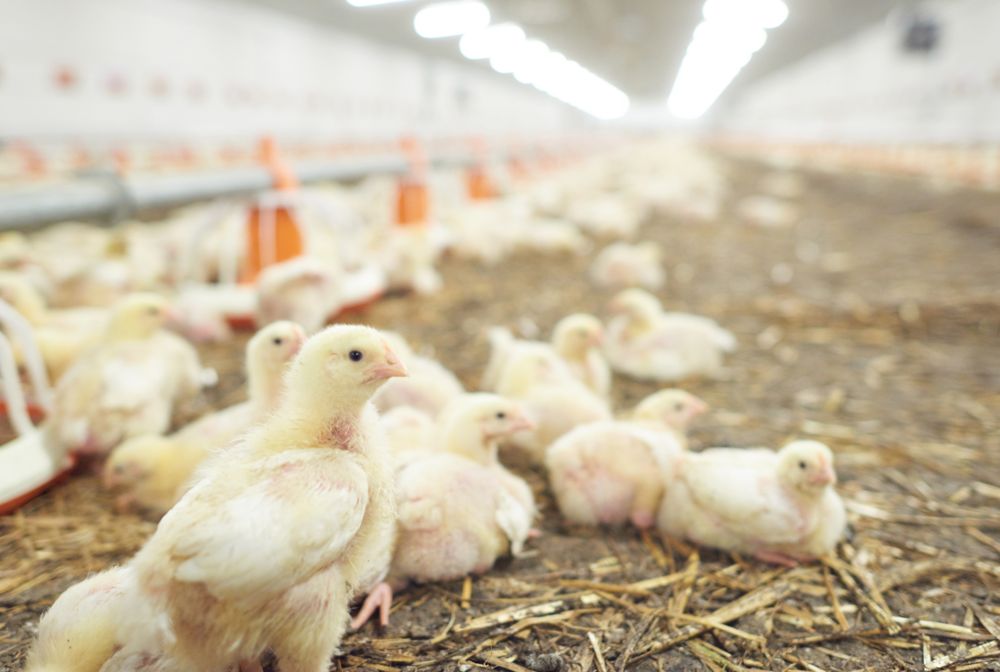
The most serious type of avian influenza, called highly pathogenic avian influenza (HPAI), causes rapid onset of illness and high mortality rates in all types of domestic poultry (except ducks and geese). Chickens that have HPAI often exhibit respiratory (panting), digestive (extreme diarrhea), and other symptoms. They may also have a purple discoloration on their head, neck, and legs.
Diagnosis
Bird flu, also called avian influenza, is a type of influenza (flu) that usually infects birds, but can also infect domestic poultry and other domestic animals. It is caused by various strains of the influenza A virus and is a threat to human health.
The infection by avian influenza is rare, but some people have been infected after having been exposed to the disease. People who have contact with infected birds, such as those working in the agricultural industry and veterinarians must follow all the instructions of the health department in your state to protect yourself.
The symptoms of avian influenza are similar to those of the common cold, except for the worsening of cough and fever. The disease can be severe and may cause death if not treated quickly.
The diagnosis of avian influenza is usually done by laboratory tests. These tests can detect the avian influenza virus, and to determine which subtype is present. The virus can mutate rapidly to produce new strains and more serious disease.
A health professional may collect a sample of breath or blood for the test. The test will look for a specific protein found on the surface of the virus that indicates that the avian influenza virus is present.
When a health practitioner suspects that a patient has avian influenza, the patient must be isolated from the members of the household for at least 10 days. This will help to prevent the spread of the virus to other members of the household and to reduce the amount of time that the person spends in the hospital.
The most effective treatment for avian influenza is supportive care and antiviral drugs, which can reduce the severity of the symptoms. In addition, patients with respiratory compromise should receive supplemental oxygen and monitored closely for signs of deterioration.
The CDC and other public health agencies in monitoring the avian influenza throughout the year to identify outbreaks, respond to, and ensure the safety of the public. This includes alerting the public, perform a follow-up of the contact persons, and to investigate the possible transmission from person to person.
Prevention
Influenza, or “flu”, is a highly contagious respiratory illness that affects many different types of people all over the world. It can also infect birds, such as chickens, turkeys, pheasants, quail, domestic ducks, geese and guinea fowl. In some cases, bird flu can infect humans and cause serious disease.
Most people who become infected with avian influenza have been exposed to the virus while working close with infected poultry, such as turkeys, chickens or domestic geese. These people often inhaled dust particles that contain the virus or come in contact with water contaminated by the virus.
Birds eliminate the avian influenza virus in their saliva, mucus, or feces. Then they can infect other birds when they eat, drink or come in contact with contaminated food or water.
Humans can become infected with avian influenza when they breathe in droplets from air or touch something that has the virus, such as a door knob contaminated or a piece of clothing that don't fit well. The symptoms usually appear within 1 to 5 days after exposure.
There have been reports of a new subtype of avian influenza (bird flu called H7N9, which is causing a lot of concern all over the world. This subtype infected for the first time to humans in China in 2013 and has caused an unusually high rate of disease and death.
The CDC is creating virus candidate vaccine against avian influenza, which can be used in future vaccine. This process allows us to identify viruses that become more virulent or are transmitted easily from person to person, which is a key factor in the development of new vaccines.
Prevention is the best way to control the spread of avian influenza. This includes maintaining clean areas and equipment of the birds, to separate the new birds or returning for at least 30 days and do not share equipment between neighbors.
A recent report of the Inspection Service, Animal and Plant Health of the USDA indicates that HPAI is appearing in flocks of backyard across the country. This is particularly troubling because many of these flocks contain birds of company.
Treatment
There are a variety of antiviral drugs available to treat avian influenza, which can help reduce the severity of symptoms and prevent complications. These include oseltamivir (Tamiflu) and zanamivir (Relenza).
If you think you have flu, you should visit your doctor as soon as possible. They will diagnose and give you medicines to treat the disease. You will also be told what you must do to avoid getting sick again, as to keep hands clean and avoid contact with the birds.
To prevent the spread of avian influenza, should not come in close contact with wild birds or domesticated. This includes not visit farms or markets that sell birds. You should also avoid eating food that has been contaminated with feces from poultry or egg shells.
Keep your hands clean and avoid touching any object that may be contaminated with the virus, for example, a cutting board or a plate. Use a disinfectant when you wash your hands to remove bacteria and viruses.
Also, make sure to properly disinfect any equipment that may be contaminated with faeces of birds, for example, pens, drinking water systems and other equipment used for the care of the birds. The equipment should be washed with a strong detergent and then let it dry completely before re-use.
The most important thing is to practice good biosecurity. This means that you regularly clean all surfaces and objects that may have contact with the virus, such as cutting boards, utensils and hands.
You should always wear a mask when you are sick to help prevent the spread of respiratory illnesses, including influenza and avian influenza. You should also avoid physical contact with other people when you are sick, and try to stay home when not feeling well.
Some strains of avian influenza are more dangerous than others, and H5 and H7 are considered “highly pathogenic”. These strains may easily infect humans and can cause severe illness and death in humans.

